Maintaining a clean facility has always been important, but today, expectations around cleanliness have changed significantly. For many organizations, especially those managing high-traffic environments, cleaning is no longer just about appearance. It’s about safety, risk reduction, and operational performance.
In healthcare settings, these expectations are even higher. Cleaning protocols are designed to prevent the spread of infection, protect vulnerable populations, and meet strict regulatory standards. But increasingly, these same expectations are being applied across offices, schools, and commercial facilities.
Understanding modern medical cleaning standards can help facility managers create safer environments, reduce liability, and ensure their buildings are prepared for the demands of today’s workforce.
What Are Medical Cleaning Standards?
Medical cleaning standards refer to a set of specialized cleaning and disinfecting protocols designed to reduce the spread of bacteria, viruses, and other contaminants. Unlike standard janitorial services, these practices focus on consistency, proper product usage, and detailed procedures that minimize risk.
These standards were originally developed for hospitals and clinical environments, where even small lapses in cleaning can have serious consequences. Today, however, many organizations are adopting these same practices to improve workplace health and maintain higher levels of cleanliness across all types of facilities.
At their core, medical cleaning standards are about being intentional. Every surface, product, and process is considered in order to reduce contamination and maintain a controlled environment.
Why Medical-Grade Cleaning Matters More Than Ever
In recent years, there has been a noticeable shift in how people think about cleanliness in shared spaces. Employees expect safer workplaces, customers expect visibly clean environments, and organizations are under greater pressure to reduce health-related risks.
For facility managers, this means traditional cleaning programs may no longer be enough.
Medical-grade cleaning helps address several of the challenges modern facilities face. It reduces the spread of illness in high-traffic areas, supports employee well-being, and helps organizations meet higher standards for cleanliness and compliance.
Just as importantly, it builds trust. When a facility is consistently clean and well-maintained, it reflects positively on the organization as a whole.
High-Touch Surface Disinfection
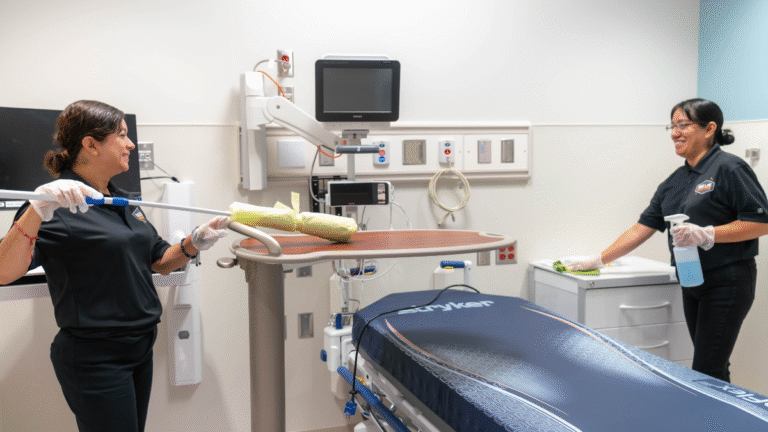
One of the most important aspects of medical cleaning is the consistent disinfection of high-touch surfaces. These are the areas that people interact with throughout the day, often without thinking about it.
Door handles, elevator buttons, shared equipment, and restroom fixtures can quickly become points of contamination if not cleaned regularly.
Because these surfaces are used so frequently, they require more than occasional attention. They need to be part of a structured cleaning routine that ensures they are disinfected consistently throughout the day.
When this process is done correctly, it significantly reduces the spread of germs and helps maintain a safer environment for everyone in the building.
Proper Disinfectant Use
Using the right disinfectant is only part of the equation, how it is used matters just as much.
Medical cleaning standards require that disinfectants are applied correctly to be effective. This includes following manufacturer guidelines, allowing for proper dwell time, and using the correct dilution ratios.
Without these steps, even high-quality products may not fully eliminate contaminants.
This is one of the key differences between standard cleaning and medical-grade cleaning. It’s not just about wiping surfaces, it’s about ensuring that each step in the process is done correctly to achieve the intended result.
Preventing Cross-Contamination
Cross-contamination is one of the most common risks in any cleaning environment. It occurs when bacteria or contaminants are unintentionally transferred from one area to another, often through cleaning tools or improper workflows.
Medical cleaning protocols are designed to prevent this from happening.
This is typically done through structured systems, such as separating cleaning tools by area and following specific cleaning sequences. For example, tools used in restrooms are never used in other parts of the facility.
These processes may seem small, but they play a critical role in maintaining a clean and controlled environment.
Consistency Through Detailed Cleaning Procedures
Another defining feature of medical cleaning is consistency. Rather than relying on general routines, these standards emphasize detailed procedures and accountability.
Facilities often use structured checklists, standardized workflows, and regular inspections to ensure cleaning is performed thoroughly and consistently.
This level of detail helps eliminate gaps in service and ensures that critical areas are never overlooked. Over time, it also creates a more predictable and reliable cleaning program.
Ongoing Maintenance vs. One-Time Cleaning
One of the biggest misconceptions about cleaning is that it can be handled with occasional deep cleans. In reality, maintaining a clean and healthy facility requires ongoing attention.
Medical-grade cleaning is built around consistency. Daily cleaning, routine disinfecting, and scheduled deep cleaning all work together to maintain a stable environment.
This layered approach helps prevent buildup, reduce long-term wear, and ensure that facilities remain clean even during periods of high activity.
Where Medical Cleaning Standards Apply Beyond Healthcare
While these standards are essential in hospitals and clinical environments, they are no longer limited to healthcare.
Many industries are now adopting medical-grade cleaning practices to meet higher expectations and reduce risk.
Office buildings, schools, manufacturing facilities, and multi-tenant properties all benefit from more structured cleaning programs. In these environments, high occupancy and shared spaces create similar challenges to those seen in healthcare settings.
Applying these standards more broadly helps organizations stay ahead of those challenges while creating safer, more reliable environments.
How Bee Line Delivers Medical-Grade Cleaning
At Bee Line, medical-grade cleaning is applied across a wide range of facilities, not just healthcare environments. The focus is on creating consistent, high-quality cleaning programs that support both safety and operational performance.
By combining structured processes with experienced teams, Bee Line helps facility managers identify risks early and implement solutions that prevent issues before they escalate.
This includes everything from high-touch surface disinfection to high dusting, floor care, and ongoing maintenance programs. Each service is designed to support a cleaner, safer, and more efficient facility.
Schedule a Facility Cleaning Assessment
If your current cleaning program hasn’t been reviewed recently, now is a good time to take a closer look.
A professional assessment can help identify gaps, improve consistency, and ensure your facility is aligned with modern cleaning standards.
Frequently Asked Questions
What is medical-grade cleaning?
Medical-grade cleaning refers to advanced cleaning and disinfecting protocols designed to reduce the spread of contaminants and maintain safer environments.
Is medical cleaning only for hospitals?
No. Many industries now apply these standards to offices, schools, and commercial facilities.
How often should facilities be disinfected?
High-touch surfaces should be cleaned daily, with more frequent disinfecting depending on usage and traffic levels.
About The Author