As winter fades and warmer weather arrives, many facilities are left dealing with more than just melting snow. Months of salt, moisture, freezing temperatures, and heavy foot traffic can quietly take a toll on buildings.
The challenge is that much of this damage isn’t obvious right away. Floor finishes may have weakened, parking lots may have developed small cracks, and dust often accumulates in hard-to-reach areas. Left unaddressed, these seemingly minor issues can turn into safety concerns or costly repairs later in the year.
Spring provides a natural checkpoint for facility managers. For many organizations, the second quarter brings increased activity, more visitors, and higher expectations for building cleanliness and appearance. Taking time to evaluate your facility now can help prevent operational disruptions and extend the life of key building materials.
Many facility teams conduct a spring facility maintenance walkthrough to identify winter-related wear and prioritize maintenance before Q2 begins.
After months of winter weather, spring is an ideal time to assess facility conditions and address seasonal wear. Bee Line recommends reviewing the following areas during your spring maintenance walkthrough.
-
Winter Salt & Moisture Damage to Floors
Throughout the winter months, salt, snow, and moisture are constantly tracked indoors. Over time, these elements can wear down floor finishes and seep into grout lines, seams, and carpet backing.
While the damage may not always be immediately visible, untreated residue can shorten the lifespan of flooring and create safety concerns for employees and visitors.
Common problems
- Salt residue breaking down floor coatings
- Moisture trapped in carpet fibers and grout
- Stained or brittle carpet areas
Potential risks
- Premature floor replacement
- Slip-and-fall hazards
- Mold growth beneath carpet
Recommended solution
Spring is the ideal time to restore and protect flooring before traffic increases later in the year. Professional floor care services may include:
- Floor stripping and refinishing
- Deep carpet extraction
- Grout cleaning and sealing
- Preventative entry matting systems
Taking care of floors early helps extend their lifespan and keeps high-traffic areas safe.
-
Parking Lot & Exterior Surface Deterioration
Winter weather can take a toll on exterior areas such as parking lots, sidewalks, and entryways. Freeze-thaw cycles often lead to cracks, potholes, and uneven surfaces that may worsen as temperatures rise.
Because these issues develop gradually, they are often overlooked until they become safety hazards.
Common problems
- Cracked pavement and potholes
- Uneven or stained sidewalks
- Asphalt deterioration from salt and oil exposure
Potential risks
- Trip-and-fall liability
- Expensive repairs later in the year
- Poor first impressions for visitors
Recommended solution
A quick spring inspection of exterior surfaces can help identify small issues before they become larger problems.
Maintenance may include:
- Crack sealing and pavement repairs
- Pressure washing sidewalks and entryways
- Parking lot inspections and cleaning
- Repainting parking lot lines if needed
Maintaining exterior areas improves both safety and curb appeal.
-
Neglected Windows & Exterior Glass
Winter conditions often leave behind salt film, grime, and hard water stains on windows and exterior glass. Over time, this buildup can damage glass surfaces and reduce the amount of natural light entering the building.
Clean windows make a noticeable difference in how a facility looks and feels.
Common problems
- Salt film and environmental buildup
- Hard water stains on glass
- Reduced natural light from dirty windows
Potential risks
- Permanent glass etching
- Higher lighting costs
- Reduced curb appeal
Recommended solution
Professional window cleaning removes buildup and helps protect glass surfaces.
Typical services include:
- Interior and exterior window washing
- Frame and sill detailing
- Scheduled window maintenance throughout the year
Keeping windows clean helps maintain both appearance and energy efficiency.
-
HVAC Dust & High-Level Debris Accumulation
During winter months, dust and debris often accumulate in rafters, vents, ceiling fixtures, and other hard-to-reach areas. As HVAC systems begin running more frequently in warmer weather, this buildup can circulate throughout the building.
High dusting is frequently overlooked because these areas are difficult to access without specialized equipment.
Common problems
- Dust buildup in rafters and vents
- Debris circulating through HVAC systems
- Increased allergens inside the facility
Potential risks
- Poor indoor air quality
- Higher energy costs
- Strain on HVAC systems
Recommended solution
High dusting services help remove debris before cooling systems ramp up.
Services may include:
- Vent and ceiling cleaning
- Dust removal from rafters and fixtures
- Preventative quarterly cleaning schedules
Removing overhead dust supports healthier indoor environments and more efficient HVAC performance.
-
Floor Finish Breakdown in High-Traffic Areas
Entryways and hallways typically experience the most wear during winter. Sand, salt, and moisture gradually strip away protective floor finishes, leaving surfaces dull and vulnerable.
If not addressed early, worn coatings can expose flooring materials to long-term damage.
Common problems
- Worn protective coatings
- Dull or uneven floor appearance
- Visible wear in entryways and corridors
Potential risks
- Increased slip hazards
- Expensive refinishing projects
- Negative impressions for visitors
Recommended solution
A preventative floor maintenance program can restore surfaces and protect them moving forward.
Recommended services include:
- Burnishing and recoating
- Targeted refinishing in high-traffic areas
- Full strip-and-wax treatments when necessary
Routine maintenance helps preserve floors and maintain a professional appearance.
-
Restroom & High-Touch Surface Sanitation Gaps
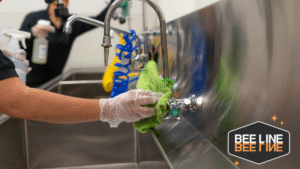
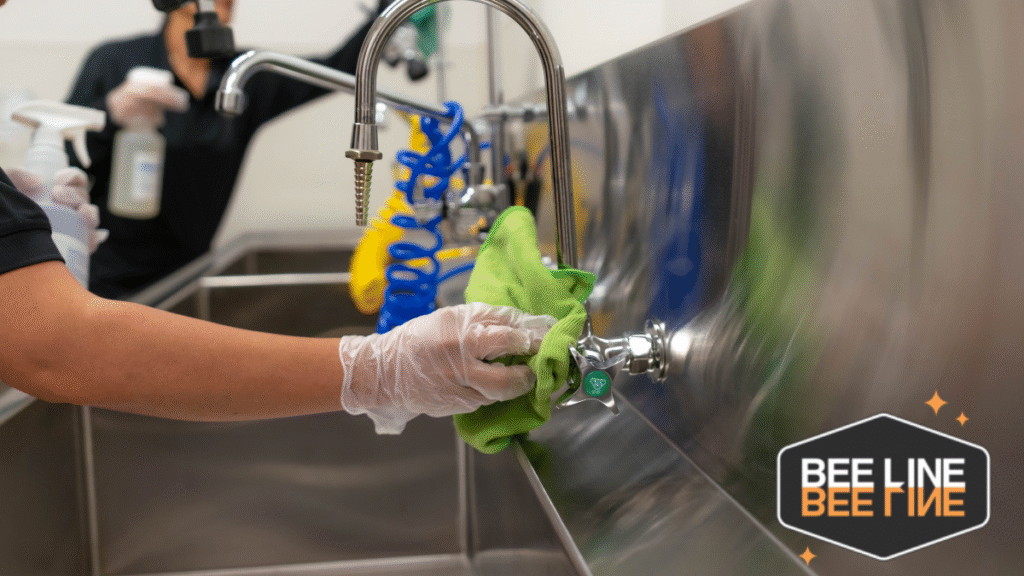
After months of winter illness season, bacteria can accumulate on high-touch surfaces such as door handles, counters, and restroom fixtures. Without consistent sanitation, these areas may quickly become sources of illness.
Maintaining proper disinfecting routines is especially important in busy facilities.
Common problems
- Inconsistent disinfecting schedules
- Bacteria buildup on high-touch surfaces
- Overlooked sanitation during busy operations
Potential risks
- Increased employee sick days
- Health inspection concerns
- Reduced workplace confidence
Recommended solution
Facilities can reduce health risks by implementing medical-grade disinfecting protocols.
These may include:
- Touchpoint sanitation audits
- Scheduled disinfecting programs
- Day porter services for continuous cleaning
Consistent sanitation helps protect employee health and maintain a cleaner workplace.
-
Exterior Pressure Washing & Building Envelope Issues
As temperatures rise in spring, mold, mildew, and algae can begin forming on exterior surfaces. This buildup not only affects the appearance of a building but can also create slippery walkways.
Routine exterior cleaning helps protect building materials and maintain a welcoming environment.
Common problems
- Mold or mildew on siding and walls
- Slippery algae buildup near entrances
- Stained loading docks and walkways
Potential risks
- Slip-and-fall incidents
- Long-term structural damage
- Declining building appearance
Recommended solution
Seasonal exterior cleaning services can restore surfaces and prevent damage.
These services may include:
- Pressure washing building exteriors
- Cleaning loading docks and entryways
- Sidewalk and walkway sanitation
- Preventative exterior maintenance plans
A seasonal cleaning program helps facilities stay safe and visually appealing.
How Bee Line Helps Facilities Prepare for Spring
At Bee Line, preventative facility maintenance is designed to help organizations stay ahead of seasonal risks. With decades of experience supporting commercial buildings, healthcare environments, schools, and industrial facilities, Bee Line applies medical-grade cleaning standards across a wide range of industries.
From floor care and high dusting to sanitation and exterior cleaning, Bee Line works with facility managers to identify risks early and develop customized maintenance programs.
Many organizations choose to schedule a Spring Facilities Risk Assessment to evaluate potential issues before Q2 operations increase.
Schedule a Spring Facilities Risk Assessment
If your facility hasn’t completed a seasonal inspection yet, spring is the ideal time to act.
A complimentary walkthrough from Bee Line can help identify hidden risks and recommend a preventative maintenance plan before small issues turn into costly repairs.
About The Author