Maintaining a clean and healthy school environment has always been important, but today, expectations are higher than ever. Schools are high-traffic spaces where students, teachers, and staff interact constantly, making proper cleaning and disinfection essential for both safety and daily operations.
Unlike other facilities, schools face unique challenges. Classrooms, cafeterias, restrooms, and shared spaces are used continuously throughout the day, often by large groups. Without a structured cleaning program, germs can spread quickly and impact attendance, performance, and overall well-being.
A proactive approach to school cleaning and disinfection helps create a safer learning environment while reducing disruptions throughout the year.
Why School Cleaning Requires a Specialized Approach
Schools are not just busy, they are constantly in motion. Students move between classrooms, share supplies, and interact with common surfaces throughout the day. This creates a higher risk of contamination compared to many other types of facilities.
Because of this, standard cleaning routines often fall short.
A more structured approach is needed, one that focuses on consistency, high-touch surfaces, and preventative maintenance. Schools that adopt this approach are better positioned to reduce the spread of illness and maintain a more stable learning environment.
In many cases, schools are now applying medical-grade cleaning standards to meet these expectations and provide an added level of protection.
High-Touch Surfaces: Where Germs Spread Most
One of the biggest risks in any school environment is the number of high-touch surfaces students interact with every day.
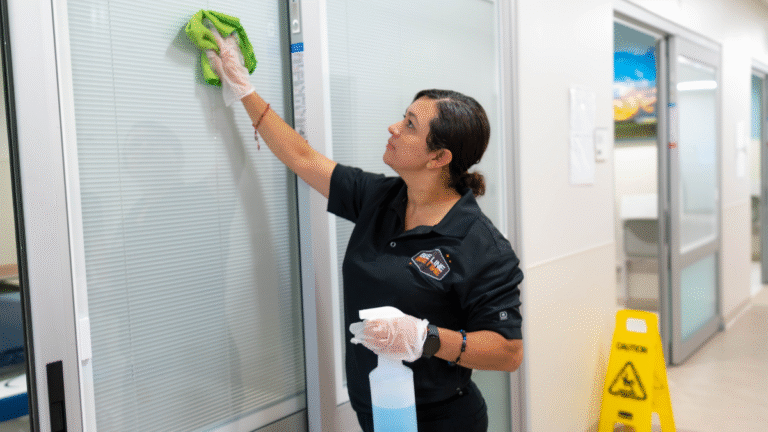
Desks, door handles, light switches, shared equipment, and restroom fixtures are all used repeatedly throughout the day. Without regular disinfection, these areas can quickly become sources of contamination.
The key is consistency. These surfaces should be cleaned and disinfected multiple times throughout the day, not just at the end of it.
When high-touch cleaning becomes part of a routine, it significantly reduces the spread of germs across classrooms and shared spaces.
Classrooms: The Core of Daily Cleaning
Classrooms are where students spend most of their time, making them one of the most important areas to focus on.
Over the course of a day, desks, chairs, and shared materials accumulate bacteria and debris. Even small lapses in cleaning can affect the overall environment.
A strong classroom cleaning program goes beyond surface-level tidying. It includes routine disinfecting of desks, proper waste removal, and attention to frequently overlooked areas like storage spaces and shared supplies.
Maintaining clean classrooms helps support both student health and focus, creating a more productive learning environment.
Restrooms & Common Areas
Restrooms and shared spaces require a higher level of attention due to their frequent use and higher exposure to bacteria.
Without consistent cleaning, these areas can quickly become unsanitary and create health concerns for students and staff.
Proper restroom cleaning involves more than appearance, it requires structured disinfecting protocols, frequent monitoring, and restocking of essential supplies.
Common areas such as cafeterias, hallways, and entryways also play a key role. These spaces see constant traffic and should be included in regular cleaning schedules to maintain overall facility cleanliness.
Preventing the Spread of Illness
One of the primary goals of school cleaning is to reduce the spread of illness. When students are frequently absent due to sickness, it impacts not only learning but also overall school operations.
A consistent cleaning and disinfection program helps minimize these disruptions.
This includes:
- Regular disinfecting of high-touch surfaces
- Proper cleaning of shared spaces
- Routine monitoring throughout the day
By focusing on prevention rather than reaction, schools can create healthier environments and reduce the impact of seasonal illnesses.
Seasonal Deep Cleaning & Maintenance
While daily cleaning is essential, schools also benefit from scheduled deep cleaning throughout the year.
Seasonal maintenance, especially during breaks or transitions between semesters, allows facilities to address areas that may not be part of daily routines.
This can include:
- Floor care and refinishing
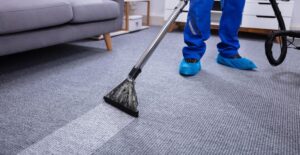
- Carpet cleaning and extraction
- High dusting in vents and ceilings
- Deep sanitation of restrooms and common areas
These deeper cleaning efforts help reset the facility and maintain long-term cleanliness.
Air Quality & High Dusting
Air quality is an often-overlooked factor in school environments. Dust and debris can accumulate in vents, ceilings, and other high areas, affecting both air circulation and overall cleanliness.
When HVAC systems are running regularly, this buildup can circulate throughout the building.
High dusting and vent cleaning help improve indoor air quality and reduce allergens, creating a more comfortable environment for students and staff.
This is especially important in facilities with high occupancy and limited ventilation.
Building a Consistent Cleaning Program
The most effective school cleaning programs are built on consistency. Rather than relying on occasional deep cleaning, successful programs combine daily routines with scheduled maintenance.
This typically includes:
- Daily cleaning and disinfecting
- Ongoing monitoring of high-traffic areas
- Periodic deep cleaning and maintenance
When these elements work together, they create a stable and predictable cleaning system that supports the needs of the school year-round.
How Bee Line Helps Schools Stay Clean and Safe
At Bee Line, cleaning programs are designed to meet the unique needs of educational environments. From elementary schools to large campuses, the focus is on creating consistent, reliable cleaning systems that support both safety and daily operations.
By applying structured processes and medical-grade cleaning standards, Bee Line helps schools reduce risk, improve cleanliness, and maintain healthier environments for students and staff.
Services include classroom cleaning, restroom sanitation, high-touch surface disinfection, and ongoing maintenance programs tailored to each facility.
Schedule a School Cleaning Assessment
If your current cleaning program hasn’t been reviewed recently, now is a good time to evaluate whether it meets the needs of your facility.
A professional assessment can help identify gaps, improve consistency, and ensure your school is prepared to maintain a safe and healthy environment throughout the year.
Frequently Asked Questions
How often should schools be cleaned?
Schools should be cleaned daily, with high-touch surfaces disinfected multiple times throughout the day depending on usage.
What is the difference between cleaning and disinfecting?
Cleaning removes dirt and debris, while disinfecting uses chemicals to kill bacteria and viruses on surfaces.
Why is school cleaning important for student health?
Consistent cleaning reduces the spread of germs, helping lower absenteeism and create a safer learning environment.
About The Author