Winter weather can create a long list of challenges for commercial facilities. Snow, ice, rain, road salt, slush, and lower temperatures can affect everything from your building’s appearance to employee safety and flooring condition. Without a proactive plan, small seasonal issues can become costly maintenance concerns, safety risks, or disruptions to daily operations.
For facility managers and property managers, winter preparation is not only about responding when bad weather arrives. It is about creating a preventative maintenance plan that helps protect the building, the people inside it, and the surfaces that experience the most wear throughout the season.
A thoughtful winter cleaning and maintenance strategy can help reduce slip-and-fall risks, extend the life of flooring, maintain a professional appearance, and keep your facility prepared for changing weather conditions. This guide outlines the areas that deserve attention before and during the winter months.
Start With a Winter Facility Assessment
The most effective winter maintenance plans begin before the first major storm. Walk through your facility and identify the areas most likely to be affected by moisture, debris, and increased foot traffic.
Pay close attention to entrances, sidewalks, parking areas, lobbies, hallways, stairwells, elevators, breakrooms, restrooms, and other common spaces. These are often the areas where snow, water, salt, and dirt are carried into the building. The more clearly you understand where winter-related issues are likely to occur, the easier it becomes to assign responsibilities and prepare the right cleaning schedule.
Your assessment should also include exterior areas that affect the customer, tenant, employee, or visitor experience. Even when snow removal is handled by another vendor, your internal team should understand how exterior conditions may impact interior cleaning needs.
Consider reviewing:
- Primary and secondary building entrances
- Sidewalks, parking lots, loading areas, and exterior walkways
- Entry mats, vestibules, and lobby flooring
- High-traffic corridors, stairwells, and elevators
- Restrooms, breakrooms, and shared employee spaces
- Exterior walls, windows, and drainage areas
This early assessment helps transform winter preparation from a reactive task into an organized facility plan.
Protect Your Floors From Salt, Water, and Heavy Traffic
Flooring often absorbs the greatest impact during winter. Snow, slush, moisture, sand, and road salt can be tracked into a facility throughout the day. Left unaddressed, these materials can damage finishes, discolor carpet, create slippery conditions, and make a building look poorly maintained.
Entry mats are one of the simplest and most effective first lines of defense. They help capture moisture and debris before it reaches interior flooring. However, mats only work well when they are placed correctly, large enough for the traffic volume, and cleaned frequently.
Facility managers should also consider whether their current floor care plan is sufficient for the winter season. Floors that receive routine care during mild weather may need more frequent attention when traffic brings in salt and moisture every day.
A winter floor care plan may include:
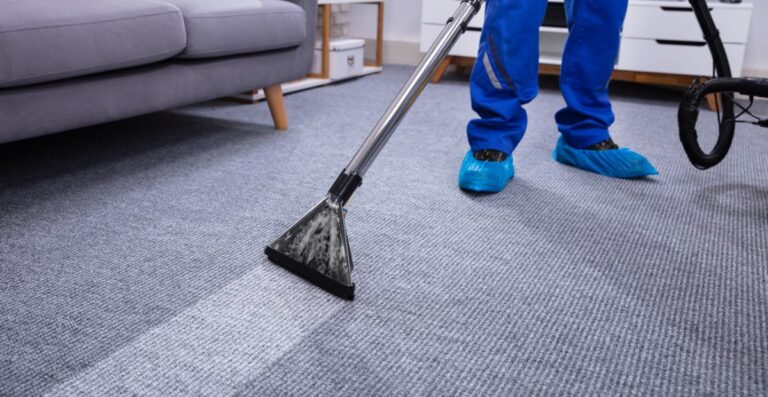
- More frequent vacuuming and mat cleaning
- Regular mopping of entryways and high-traffic hard floors
- Prompt removal of salt residue and standing water
- Spot cleaning for carpets near entrances and corridors
- Scheduled deep cleaning or restorative floor care as needed
Consistent [Floor Care] can help preserve your facility’s appearance while reducing the long-term wear caused by winter conditions. It also gives employees and visitors a safer, cleaner path through the building.
Focus on Entrance Safety and Appearance
Your entrances create the first impression of your facility, but they are also among the highest-risk areas during winter. Wet floors, uneven matting, and accumulated debris can increase the likelihood of slips and falls.
Winter entrance preparation should involve both safety and presentation. Make sure entry mats lie flat, are not oversaturated, and provide adequate coverage for the amount of foot traffic entering the building. If possible, create a defined transition zone that gives people enough space to remove moisture and debris from their shoes before reaching the main lobby.
During active weather, entrances may require multiple checks throughout the day. A clean, dry entrance in the morning may become hazardous by midafternoon if snow or rain continues.
It is helpful to establish a simple response process for periods of severe weather. Your team or cleaning provider should know who will monitor entrances, how frequently they will be checked, and what steps should be taken when water or debris accumulates.
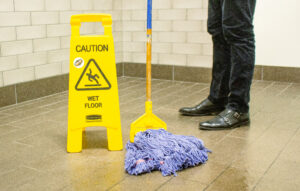
Small actions, such as replacing saturated mats, placing caution signage when needed, and responding quickly to wet floors, can make a meaningful difference in both safety and visitor perception.
Adjust Your Cleaning Schedule for Winter Conditions
A standard commercial cleaning schedule may not be enough during the winter months. The amount of foot traffic, weather activity, and moisture entering a facility can change from day to day, sometimes by the hour.
Rather than waiting for the building to appear dirty, adjust cleaning frequency based on weather forecasts, occupancy, and the condition of high-traffic areas. This may mean adding daytime attention to entrances and common areas, increasing restroom and breakroom checks, or scheduling additional floor care after a major storm.
Communication is especially important during winter. Facility managers should make sure their cleaning provider understands the building’s weather-response expectations and knows how to handle urgent requests. A flexible cleaning program can help maintain the building during normal conditions while offering additional support when weather creates an immediate need.
Your winter cleaning plan should answer a few practical questions:
- Who monitors entrances and common areas during severe weather?
- How quickly can additional service be requested?
- What is the process for wet-floor response and signage?
- How are mats, floors, and high-touch areas prioritized?
- Who communicates changes in building hours or access?
Clear answers help reduce confusion when weather conditions change quickly. They also give your cleaning team the direction needed to respond efficiently.
Keep Exterior Areas Clean and Presentable
Exterior maintenance plays an important role in winter risk prevention. Even if snow removal is managed separately, dirt, salt, litter, and grime can collect on sidewalks, entryways, loading areas, and building exteriors throughout the season.
Keeping these surfaces clean can support both appearance and safety. For example, removing built-up debris from exterior entry areas can help reduce the amount tracked inside. Maintaining visible pathways and clean entry zones also helps visitors feel more confident entering your facility.
[Pressure Washing] can be a valuable part of a seasonal exterior maintenance plan, particularly before winter begins or after conditions improve in the spring. It can help remove accumulated dirt, debris, and residue from sidewalks, entrances, loading areas, and other exterior surfaces.
Because weather and surface conditions vary, it is important to plan exterior services around the building’s needs and seasonal conditions. A professional provider can help determine the most appropriate timing and approach for your property.
Do Not Overlook High-Touch and Shared Spaces
Winter is often associated with increased illness concerns as employees, customers, students, and visitors spend more time indoors. While routine cleaning alone cannot eliminate every health risk, consistent cleaning and disinfection of high-touch areas can support a cleaner environment.
Pay attention to surfaces that are touched frequently throughout the day. These can include door handles, elevator buttons, reception counters, shared equipment, light switches, breakroom tables, restroom fixtures, and conference room surfaces.
A winter cleaning plan should also account for the spaces where people gather. Breakrooms, restrooms, lobbies, waiting areas, and shared workspaces may need more frequent attention during periods of higher occupancy or illness concerns.
Reliable [Commercial Cleaning Services] can help create a documented plan around your facility’s specific needs. The goal is not simply to make the space look clean, but to maintain consistent procedures across the areas that matter most.
Prepare for Emergencies Before They Happen
Winter weather can create unexpected needs, including leaks, water intrusion, increased debris, schedule changes, and limited access to parts of a property. Although not every issue can be prevented, advance preparation makes it easier to respond without unnecessary delays.
Facility managers should confirm who is responsible for different aspects of winter readiness. This may include cleaning teams, maintenance staff, snow-removal providers, security personnel, property management, and building occupants. When responsibilities are unclear, even a routine weather event can cause confusion.
It is also helpful to keep communication lines open with your commercial cleaning provider. Discuss how urgent requests are submitted, what response times can be expected, and whether additional service can be added during a storm or immediately afterward.
The more prepared your team is before winter weather arrives, the less likely a short-term issue will create a larger disruption.
Build a Winter Plan That Supports Your Facility All Season
Winter maintenance is not a single project completed before the first snowfall. It is an ongoing process of monitoring conditions, adjusting service, protecting high-traffic areas, and responding to changes in weather.
A preventative approach helps protect flooring, reduce safety concerns, preserve your facility’s appearance, and create a more comfortable experience for everyone who enters the building. It also gives facility teams greater confidence that they are prepared for the demands of the season.
Bee Line works with facility managers to develop customized cleaning plans that support building operations throughout the year. From routine [Commercial Cleaning Services] to targeted [Floor Care] and exterior [Pressure Washing], our team can help you prepare your facility for winter and maintain it through the season.
Contact Bee Line to discuss a cleaning and maintenance plan built around your facility’s winter needs.
Frequently Asked Questions
Why is winter preventative maintenance important for commercial facilities?
Winter preventative maintenance helps reduce slip-and-fall risks, protect floors from salt and moisture, maintain a professional appearance, and prevent small seasonal concerns from becoming larger maintenance issues.
How can I protect commercial floors during winter?
Use properly sized entry mats, clean and replace saturated mats regularly, remove standing water promptly, increase mopping and vacuuming in high-traffic areas, and schedule floor care based on seasonal conditions.
How often should commercial entrances be checked during winter weather?
The right frequency depends on weather conditions and foot traffic. During active snow or rain, high-traffic entrances may need to be checked multiple times throughout the day to manage moisture, debris, and mat conditions.
What should be included in a winter cleaning plan?
A winter cleaning plan should address entrances, mats, high-traffic flooring, common areas, restrooms, shared spaces, weather-response procedures, communication responsibilities, and any additional cleaning needs after storms.
Can pressure washing be part of winter facility maintenance?
Pressure washing can support seasonal exterior maintenance by removing dirt, debris, and residue from sidewalks, entrances, loading areas, and other exterior surfaces. The appropriate timing depends on weather, surface conditions, and the needs of the property.
About The Author