
Gym & Sports Facility Cleaning: Reducing Germs in High-Traffic Athletic Spaces
Athletic facilities are some of the busiest environments to maintain. From school gyms and locker rooms to recreation centers and sports complexes, these spaces experience constant activity, shared equipment use, and high volumes of foot traffic throughout the day.
Unlike traditional office environments, athletic facilities face unique cleaning challenges. Sweat, moisture, bacteria, and frequent contact with shared surfaces can create conditions that allow germs to spread quickly if proper cleaning and disinfecting protocols are not in place.
For facility managers, athletic directors, and school administrators, maintaining a clean sports facility is about more than appearance. It is about protecting athletes, staff, students, and visitors while creating an environment that supports performance, safety, and overall well-being.
Why Sports Facilities Require Specialized Cleaning Programs
Sports facilities experience a different type of wear than many commercial buildings. Equipment is handled repeatedly throughout the day, locker rooms remain humid for extended periods, and large groups often cycle through the same spaces in short periods of time.
These conditions create ideal opportunities for bacteria, viruses, odors, and surface contamination to develop if cleaning routines are inconsistent.
A successful sports facility cleaning program focuses on three primary objectives:
- Reducing the spread of germs
- Maintaining a safe environment for athletes and visitors
- Protecting facility assets from premature wear and deterioration
When these goals are supported through consistent cleaning practices, facilities often experience fewer maintenance issues and provide a better overall experience for users.
High-Touch Surfaces Need Consistent Attention
One of the most important aspects of sports facility cleaning is the management of high-touch surfaces. Athletic environments contain dozens of shared surfaces that are used continuously throughout the day.
Some of the most frequently touched areas include:
- Weight machines and fitness equipment
- Locker handles and benches
- Door handles and push plates
- Water fountains and bottle filling stations
- Handrails and stairways
- Shared athletic equipment
Because these surfaces experience repeated contact, they should be cleaned and disinfected on a routine schedule throughout the day.
Many facilities focus heavily on visible cleanliness while unintentionally overlooking touchpoints that contribute to germ transmission. Regular monitoring and documented cleaning procedures help ensure these areas receive the attention they require.
Locker Rooms Present Unique Cleaning Challenges
Few areas within a sports facility present as many sanitation challenges as locker rooms.
Moisture, heat, and heavy usage create an environment where bacteria and odors can develop quickly. Without proper cleaning protocols, locker rooms can become one of the most problematic areas within a facility.
A comprehensive locker room cleaning program should address:
- Floors and drains
- Benches and lockers
- Showers and changing areas
- High-touch surfaces
- Ventilation and odor control
In addition to daily cleaning, periodic deep cleaning helps remove buildup that may not be visible during routine maintenance. This proactive approach can improve both sanitation and user experience.
Gym Equipment Cleaning Matters More Than Many Realize
Fitness equipment is shared by dozens, and sometimes hundreds, of users each day. While many facilities encourage athletes and members to wipe down equipment after use, facility cleaning teams play a critical role in maintaining sanitation standards.
Equipment surfaces should be cleaned using products approved for both effectiveness and equipment compatibility. Harsh chemicals can damage materials over time, while inadequate disinfecting may leave surfaces vulnerable to contamination.
Facility managers should periodically review cleaning procedures to ensure staff understand proper product usage and cleaning frequency. Consistency is often the difference between an effective cleaning program and one that leaves gaps in protection.
Floor Care Plays a Major Role in Facility Safety
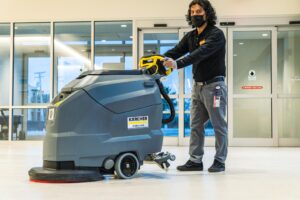
Athletic flooring is a significant investment and one of the most visible aspects of any sports facility.
Gymnasium floors, fitness center flooring, indoor tracks, and athletic surfaces all require ongoing maintenance to preserve appearance and performance. Dirt, dust, moisture, and athletic activity can gradually wear down protective finishes and increase safety concerns.
Regular floor maintenance may include:
- Dust removal and debris management
- Surface cleaning and disinfecting
- Refinishing and recoating when needed
- Monitoring for wear or damage
A well-maintained floor not only looks better but also contributes to a safer environment for athletes and visitors.
Air Quality and Ventilation Should Not Be Overlooked
When discussing athletic facility cleanliness, air quality is often overlooked. However, indoor air quality can significantly impact the overall environment.
Dust, debris, and airborne contaminants can accumulate throughout fitness centers, gymnasiums, and sports complexes. As HVAC systems circulate air, these particles may spread throughout the facility.
Regular cleaning of vents, elevated surfaces, and hard-to-reach areas helps support healthier indoor environments. Facilities that incorporate periodic high dusting services often experience improved cleanliness and reduced accumulation of airborne debris.
This becomes especially important in school athletic facilities where large groups of students utilize the same spaces throughout the day.
Schools and Athletic Facilities Face Additional Challenges
Educational environments often combine classrooms, gymnasiums, locker rooms, cafeterias, and recreational spaces under one roof. This creates unique cleaning demands that require coordination across multiple areas of the facility.
For schools, athletic facility cleaning should be viewed as part of a larger facility maintenance strategy rather than a separate initiative.
Strong programs typically align athletic cleaning efforts with broader School Cleaning Services to create consistency throughout the campus. When classrooms, common areas, and athletic spaces all follow the same standards, schools are better positioned to maintain healthy learning environments.
This integrated approach helps reduce gaps in service while supporting students both inside and outside the classroom.
The Value of Daytime Facility Support
Many sports facilities operate long hours, making it difficult to rely exclusively on overnight cleaning programs.
This is where Day Porter Services can provide additional support.
Day porters help address issues as they arise throughout the day rather than waiting until after hours. This may include monitoring restrooms, disinfecting high-touch surfaces, addressing spills, and maintaining cleanliness during events or peak activity periods.
For busy athletic facilities, this extra level of support can help maintain higher standards of cleanliness and create a better experience for athletes, coaches, students, and visitors.
Building a Long-Term Cleaning Strategy
The most effective sports facility cleaning programs are not built around occasional deep cleans. They are built on consistency.
A long-term strategy should include routine cleaning, scheduled disinfecting, preventative maintenance, periodic deep cleaning, and ongoing facility assessments. When these elements work together, facilities can maintain a higher level of cleanliness while reducing long-term maintenance costs.
Athletic facilities that invest in proactive cleaning often find that they spend less time reacting to problems and more time supporting the people who use their spaces every day.
How Bee Line Supports Sports and Educational Facilities
At Bee Line, cleaning programs are designed to support the unique needs of schools, athletic facilities, recreation centers, and other high-traffic environments.
Our teams understand the challenges these facilities face and work closely with administrators and facility managers to develop customized cleaning solutions that prioritize health, safety, and operational efficiency.
Whether supporting gymnasiums, locker rooms, fitness centers, or broader educational environments, Bee Line helps organizations create cleaner spaces for students, athletes, staff, and visitors.
If your facility is evaluating its current cleaning program, contact Bee Line to learn how we can help support a cleaner, safer athletic environment.
Frequently Asked Questions
How often should gym equipment be disinfected?
Gym equipment should be cleaned and disinfected regularly throughout the day, particularly in high-use facilities. The exact frequency depends on traffic levels, facility usage, and operational schedules.
Why are locker rooms difficult to maintain?
Locker rooms combine moisture, heat, and heavy traffic, creating conditions where bacteria and odors can develop quickly. Consistent cleaning and periodic deep cleaning are essential.
What areas of a sports facility require the most attention?
High-touch surfaces, locker rooms, restrooms, fitness equipment, athletic flooring, and common areas typically require the most frequent cleaning and monitoring.
How can schools improve athletic facility cleanliness?
Schools often benefit from integrating athletic facility cleaning into their broader facility maintenance program. This creates consistency across classrooms, common areas, and athletic spaces.
Are day porter services beneficial for sports facilities?
Yes. Day porters can help address cleanliness concerns throughout operating hours by maintaining restrooms, disinfecting touchpoints, responding to spills, and supporting facility appearance during peak usage periods.
About The Author