Maintaining a clean healthcare environment is about far more than appearances. In hospitals, medical offices, outpatient centers, and healthcare facilities, cleaning directly impacts patient safety, staff well-being, regulatory compliance, and operational performance.
While daily cleaning protocols are essential, some of the most important facility issues develop gradually over time. Dust accumulates in hard-to-reach areas, flooring begins to wear, disinfecting procedures drift from established standards, and high-touch surfaces experience heavier use than anticipated. Without regular reviews, these small issues can become larger concerns that affect both patient experience and facility operations.
That is why many healthcare organizations conduct quarterly cleaning assessments. These reviews help facility leaders identify potential risks, maintain compliance standards, and ensure cleaning programs continue to meet the demands of their environment.
Below are the key areas every healthcare facility should evaluate each quarter.
Review High-Touch Surface Disinfection Procedures
High-touch surfaces remain one of the most important focus areas within any healthcare cleaning program. Door handles, elevator buttons, waiting room furniture, nurse stations, light switches, handrails, and shared equipment are touched hundreds or even thousands of times throughout a typical week.
Because these surfaces play a significant role in the spread of germs and contaminants, healthcare facilities should regularly evaluate whether disinfecting protocols are being followed consistently. A quarterly review provides an opportunity to verify that cleaning teams are using approved disinfectants, following manufacturer instructions, and allowing proper dwell times.
Questions worth reviewing include:
- Are high-touch surfaces being disinfected at the appropriate frequency?
- Are staff using approved healthcare-grade disinfectants?
- Have cleaning procedures been updated to reflect current facility needs?
Even effective products can underperform when procedures are not followed correctly. Regular reviews help ensure consistency and reinforce the standards patients, staff, and visitors expect.
Evaluate Restroom and Patient Area Sanitation
Patient rooms, treatment areas, and restrooms require a higher level of attention than many other spaces within a facility. These environments experience significant daily traffic and are often among the most closely scrutinized areas by patients and staff.
A quarterly assessment should evaluate not only overall cleanliness, but also how effectively sanitation procedures are being carried out. Facility leaders should pay attention to recurring concerns, supply management, and areas that may be difficult to clean consistently.
Over time, even well-maintained spaces can develop challenges that affect both appearance and sanitation. Identifying these issues early allows healthcare facilities to make adjustments before they impact patient satisfaction or operational performance.
Inspect Floors for Wear, Damage, and Contamination Risks
Flooring is one of the most heavily used surfaces in any healthcare environment. From patient rooms and hallways to waiting areas and treatment spaces, floors are subjected to constant traffic, equipment movement, and routine cleaning procedures.
Because of this, flooring should be reviewed as part of every quarterly facility assessment. Worn floor finishes, damaged surfaces, and deteriorating protective coatings can make cleaning more difficult and potentially create areas where contaminants accumulate.
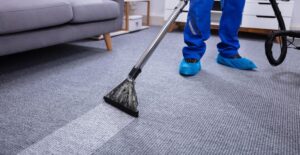
A floor review should focus on overall condition, signs of wear, and areas that may require refinishing or restoration. Facilities should also evaluate carpeted areas in non-clinical spaces and determine whether deep cleaning or replacement may be necessary.
Organizations utilizing professional Medical Cleaning Services often incorporate floor care evaluations into their broader facility maintenance strategy to help protect both appearance and long-term performance.
Assess Air Quality and High Dusting Needs
When discussing healthcare cleanliness, air quality is often part of the conversation. However, many facilities focus primarily on HVAC systems while overlooking elevated surfaces where dust and debris can accumulate over time.
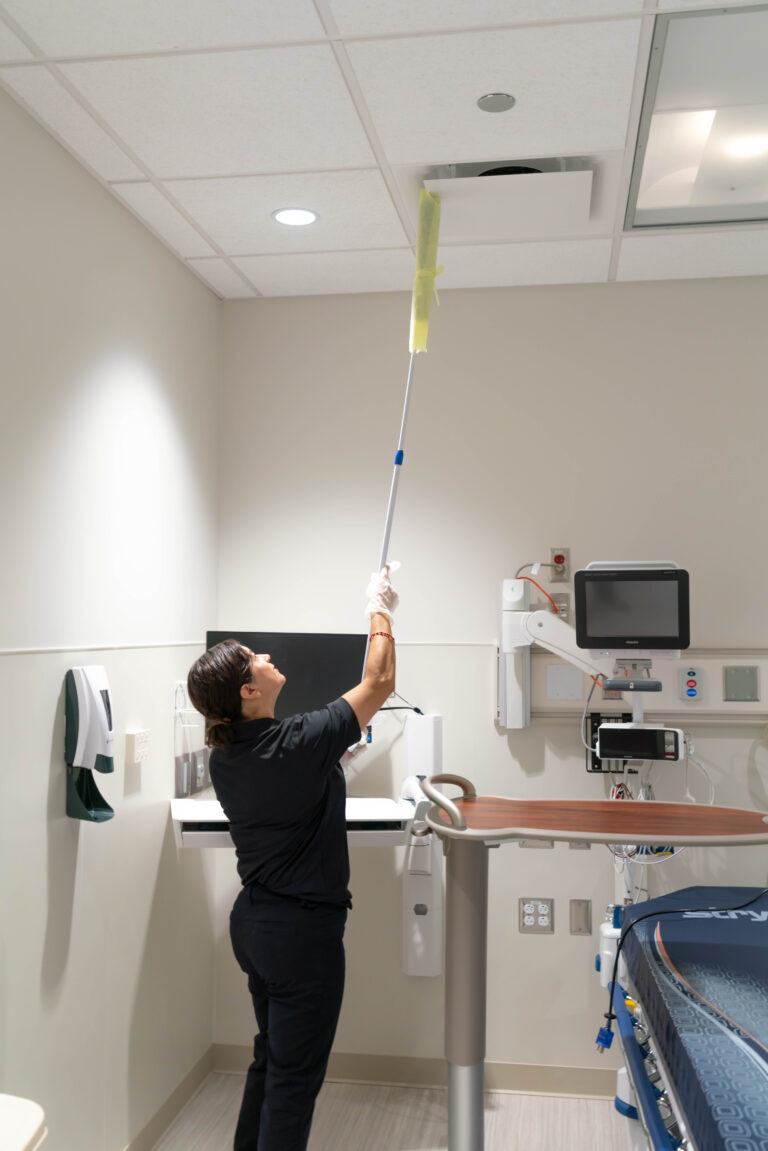
Ceiling vents, lighting fixtures, exposed pipes, storage areas, and overhead structures can all collect dust that may eventually circulate throughout a facility. While these areas may not be visible to patients on a daily basis, they remain an important component of a comprehensive cleaning program.
A quarterly review provides an opportunity to identify spaces that may require high dusting or additional maintenance. Addressing these areas helps support cleaner indoor environments while reinforcing broader infection prevention efforts.
Verify Cleaning Documentation and Compliance Procedures
Strong cleaning programs rely on more than execution alone. Documentation, accountability, and quality assurance are equally important.
Healthcare facilities should regularly review cleaning logs, inspection records, and quality control procedures to ensure standards are being followed consistently. These reviews can help identify gaps, uncover process improvements, and prepare organizations for audits or accreditation reviews.
Facilities that maintain thorough documentation are often better positioned to demonstrate compliance and respond effectively when questions arise. Consistent record keeping also helps create greater visibility into overall cleaning performance.
Review Staff Training and Cleaning Protocols
Healthcare environments continue to evolve, and cleaning teams must evolve with them. New products, updated procedures, changing patient expectations, and evolving healthcare standards all influence how facilities approach cleaning and disinfection.
A quarterly review provides an opportunity to assess whether staff members are following established protocols and whether additional training may be needed. Even experienced cleaning professionals benefit from periodic refreshers on proper disinfectant use, cross-contamination prevention, equipment handling, and facility-specific procedures.
Strong training programs create consistency throughout an organization. When every team member understands expectations and follows the same standards, facilities are better equipped to maintain safe, compliant, and reliable environments.
Evaluate Waiting Areas and Public Spaces
First impressions matter in healthcare environments. Waiting rooms, reception areas, lobbies, and public corridors often shape how patients and visitors perceive a facility before they ever interact with medical staff.
While these areas may not require the same level of cleaning as treatment spaces, they should still be reviewed regularly. Furniture condition, flooring appearance, glass surfaces, and overall presentation all contribute to the patient experience.
A quarterly review allows facilities to identify opportunities for improvement and ensure public-facing spaces continue to reflect the professionalism and quality of care the organization provides.
Review Emergency and Seasonal Cleaning Plans
Healthcare facilities must be prepared for changing conditions throughout the year. Seasonal illnesses, severe weather, staffing fluctuations, and unexpected increases in patient volume can all place additional demands on cleaning programs.
Quarterly reviews provide an ideal opportunity to revisit emergency response plans and ensure the facility remains prepared for periods of increased activity. This includes evaluating cleaning supply inventories, staffing plans, enhanced disinfecting procedures, and contingency protocols.
Being proactive allows organizations to respond more effectively when circumstances change and helps reduce disruptions during high-demand periods.
Why Quarterly Cleaning Reviews Matter
Daily cleaning is essential, but long-term success depends on continuous evaluation and improvement. Quarterly reviews provide healthcare organizations with an opportunity to step back, assess performance, and identify areas that may need attention.
Facilities that conduct regular assessments often experience greater consistency, stronger compliance readiness, improved patient satisfaction, and fewer maintenance-related issues. Rather than waiting for problems to emerge, they create a culture of proactive facility management.
Over time, this approach helps healthcare organizations maintain safer environments while protecting both operational efficiency and facility investments.
How Bee Line Supports Healthcare Facilities
At Bee Line, healthcare cleaning programs are built around consistency, accountability, and proactive maintenance. Our teams understand the unique challenges healthcare facilities face and work closely with administrators to support safe, clean, and compliant environments.
From daily disinfecting programs to floor care, high dusting, and ongoing facility assessments, Bee Line helps healthcare organizations maintain the standards their patients and staff depend on.
Healthcare facilities looking to strengthen their cleaning programs can also explore our Medical Cleaning Standards: What Every Facility Manager Needs to Know guide to learn more about the processes that support safer healthcare environments.
If your facility has not conducted a comprehensive cleaning review recently, now may be the perfect time to schedule an assessment and identify opportunities for improvement. Contact Bee Line to learn how our healthcare cleaning solutions can support your organization.
Frequently Asked Questions
How often should a hospital conduct a cleaning assessment?
Many healthcare facilities conduct formal cleaning reviews on a quarterly basis. This schedule helps identify emerging issues while ensuring cleaning programs remain effective, consistent, and compliant.
What is included in a hospital cleaning audit?
A hospital cleaning audit typically reviews disinfecting procedures, floor care, restroom sanitation, air quality considerations, staff training, documentation practices, and overall facility cleanliness.
Why is quarterly cleaning important in healthcare facilities?
Quarterly reviews help healthcare organizations maintain consistency, support infection prevention efforts, improve compliance readiness, and identify maintenance concerns before they become larger problems.
What areas of a hospital require the most frequent cleaning?
High-touch surfaces, patient care areas, restrooms, waiting rooms, and shared equipment typically require the most frequent attention because they play a significant role in reducing contamination risks.
How can healthcare facilities improve cleaning compliance?
Regular staff training, documented procedures, quality assurance inspections, ongoing reviews, and clear accountability measures all help improve compliance and support a more effective cleaning program.
About The Author