Locker rooms are among the most challenging environments to keep clean. Whether they’re located in a school, university, fitness center, recreation facility, or sports complex, these spaces experience constant use and are exposed to moisture, sweat, dirt, and shared equipment throughout the day.
Because so many people use the same facilities, locker rooms can quickly become breeding grounds for bacteria, unpleasant odors, and other contaminants if proper cleaning procedures are not followed consistently.
Maintaining a clean locker room is about much more than appearance. A well-maintained environment supports the health and safety of athletes, students, staff, and visitors while protecting facility assets and creating a more positive user experience.
By combining routine cleaning, targeted disinfecting, and preventative maintenance, facility managers can reduce risks and keep locker rooms performing at their best year-round.
Why Locker Rooms Need More Than Routine Cleaning
Locker rooms present a unique combination of cleaning challenges. Unlike classrooms or office spaces, these environments are regularly exposed to humidity, standing moisture, heavy foot traffic, and shared surfaces that receive constant use.
These conditions create opportunities for bacteria and germs to spread quickly if cleaning programs are inconsistent or incomplete.
A comprehensive locker room cleaning program should focus on three priorities:
- Maintaining a healthy environment for athletes and visitors
- Reducing odors and moisture-related issues
- Protecting flooring, fixtures, and equipment from premature wear
Facilities that treat locker rooms as a specialized cleaning environment rather than simply another room in the building often see better long-term results and fewer maintenance concerns.
Prioritize High-Touch Surface Disinfection
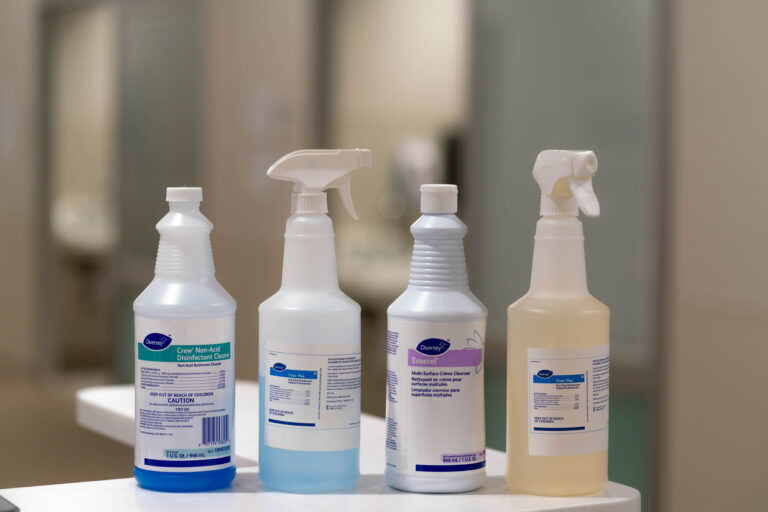
One of the most effective ways to reduce the spread of germs is through consistent disinfecting of high-touch surfaces.
Throughout the day, students, athletes, coaches, and visitors come into contact with dozens of shared surfaces without giving them a second thought. These touchpoints can quickly become sources of contamination if they are not cleaned regularly.
Areas that deserve special attention include:
- Locker doors and handles
- Benches
- Door handles
- Shower controls
- Sink faucets
- Light switches
- Hair dryer stations
- Water fountains and bottle filling stations
Rather than relying solely on end-of-day cleaning, facilities should evaluate whether these areas receive additional attention during periods of heavy use.
Moisture Management Is Essential
Water is unavoidable in locker rooms, but excessive moisture should never become the norm.
Wet floors, damp corners, and poor ventilation create ideal conditions for bacteria, mildew, and unpleasant odors to develop. Over time, excess moisture can also damage flooring materials and surrounding building components.
A successful cleaning program focuses not only on removing visible water but also on addressing the underlying causes.
Facility managers should regularly inspect:
- Shower areas
- Floor drains
- Ventilation systems
- Grout and tile
- Areas where standing water commonly collects
Keeping these spaces dry between cleanings helps improve sanitation while extending the life of the facility.
Don’t Overlook Athletic Equipment and Storage Areas
Cleaning efforts often focus on the locker room itself while overlooking the equipment stored nearby.
Weight belts, training mats, benches, storage racks, and other shared athletic equipment are handled repeatedly throughout the day and should be incorporated into routine cleaning schedules.
Equipment rooms should also be organized and cleaned regularly to reduce dust accumulation and allow cleaning crews to reach surfaces that may otherwise be blocked.
By expanding cleaning efforts beyond the locker room itself, facilities can create a healthier environment throughout the entire athletic complex.
Floor Care Supports Both Safety and Appearance
Locker room floors endure constant stress from wet shoes, athletic equipment, and heavy traffic.
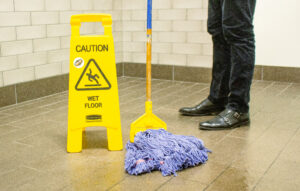
Without routine maintenance, dirt and moisture gradually wear down floor finishes and increase the risk of slips or other safety concerns.
A preventative floor care program should include regular cleaning, periodic deep cleaning, and inspections for damage that may require repair or refinishing.
Depending on the flooring material, facilities may also benefit from scheduled grout cleaning or protective floor treatments that make ongoing maintenance easier.
Keeping floors in good condition not only improves appearance but also helps reduce long-term maintenance costs.
Odor Prevention Starts With Proper Cleaning
One of the most common complaints about locker rooms is unpleasant odors.
While air fresheners may temporarily mask smells, they rarely address the source of the problem. Odors often develop because bacteria, moisture, and organic material have accumulated over time.
Effective odor control begins with thorough cleaning and proper ventilation.
Facilities should routinely evaluate ventilation systems, remove moisture promptly, clean drains regularly, and ensure all surfaces are being disinfected consistently.
When odor prevention becomes part of the overall cleaning strategy rather than an afterthought, facilities often experience lasting improvements.
Create a Consistent Cleaning Schedule
Consistency is one of the biggest factors separating effective cleaning programs from those that struggle to maintain results.
Rather than waiting until problems become visible, successful facilities establish cleaning schedules that address daily, weekly, and seasonal needs.
For example:
Daily priorities
- Disinfect high-touch surfaces
- Clean showers and restrooms
- Remove trash and debris
- Inspect floors for spills or standing water
Weekly priorities
- Deep clean locker areas
- Sanitize athletic equipment
- Clean drains and floor edges
Seasonal priorities
- High dusting
- Floor refinishing as needed
- Ventilation inspections
- Comprehensive facility walkthroughs
Following a structured schedule helps reduce surprises and keeps cleaning standards consistent throughout the year.
Daytime Maintenance Helps Keep Facilities Clean
Many athletic facilities remain busy well into the evening, making overnight cleaning alone insufficient.
This is where Day Porter Services can make a meaningful difference.
Day porters help maintain locker rooms throughout operating hours by responding to spills, monitoring restrooms, disinfecting frequently touched surfaces, and addressing issues before they become larger problems.
For schools and recreation centers with continuous activity, daytime support helps maintain a cleaner environment between scheduled cleaning visits.
Supporting Healthier Schools and Athletic Facilities
Locker room cleaning should never exist in isolation.
The most successful educational facilities take a campus-wide approach to cleanliness by integrating locker room maintenance with broader School Cleaning Services. This ensures classrooms, cafeterias, administrative offices, gymnasiums, and athletic spaces all receive the same level of attention and consistency.
When every part of the facility follows structured cleaning standards, schools are better equipped to provide healthier environments for students, faculty, coaches, and visitors.
Facilities looking to strengthen their athletic cleaning programs can also benefit from reading our guide on Gym & Sports Facility Cleaning: Reducing Germs in High-Traffic Athletic Spaces, which explores broader cleaning strategies for gyms and recreational facilities.
How Bee Line Helps Maintain Cleaner Athletic Facilities
At Bee Line, we understand that locker rooms require more than routine janitorial services. They demand specialized cleaning strategies that address moisture, high-touch surfaces, shared equipment, and the unique challenges of athletic environments.
Our customized cleaning programs help schools, universities, recreation centers, and sports facilities maintain cleaner spaces that support both health and performance.
Whether your organization needs ongoing athletic facility cleaning, daytime maintenance, or a comprehensive review of existing cleaning protocols, Bee Line can help develop a solution that fits your facility’s needs.
If you’re planning improvements to your athletic cleaning program, contact Bee Line to schedule a facility assessment and learn how we can help support a cleaner, healthier environment.
Frequently Asked Questions
How often should locker rooms be disinfected?
High-touch surfaces should be disinfected multiple times throughout the day in busy facilities, while a more comprehensive cleaning should be completed daily.
What causes locker room odors?
Odors typically result from a combination of moisture, bacteria, poor ventilation, and organic material that builds up over time. Proper cleaning and moisture management are the most effective long-term solutions.
Which areas of a locker room need the most attention?
Locker handles, benches, shower areas, restroom fixtures, floors, drains, and shared athletic equipment all require regular cleaning and disinfecting because they experience the highest levels of use.
Why are day porter services beneficial for athletic facilities?
Day porters help maintain cleanliness during operating hours by responding to spills, disinfecting touchpoints, restocking supplies, and addressing issues before they affect users.
How can schools improve locker room cleanliness?
Schools benefit from combining routine locker room maintenance with comprehensive School Cleaning Services that create consistent cleaning standards across the entire campus.
About The Author