For many years, medical-grade cleaning was associated almost exclusively with hospitals, surgery centers, and healthcare facilities. These environments require rigorous cleaning protocols because of the vulnerable populations they serve and the critical importance of infection prevention.
Today, however, medical-grade cleaning is no longer limited to healthcare.
Organizations across a wide range of industries are adopting healthcare-inspired cleaning standards to improve workplace safety, reduce the spread of illness, and create healthier environments for employees, customers, students, and visitors.
From schools and universities to manufacturing facilities, office buildings, and distribution centers, more organizations are recognizing that a higher standard of cleaning can deliver benefits far beyond appearance alone.
What Is Medical-Grade Cleaning?
Medical-grade cleaning goes beyond routine janitorial services. While traditional cleaning focuses primarily on appearance and general cleanliness, medical-grade cleaning places a greater emphasis on disinfection, consistency, documentation, and risk reduction.
The goal is to create environments that support health and safety through structured cleaning procedures and proactive maintenance.
Medical-grade cleaning programs often include:
- Enhanced disinfecting protocols
- Increased attention to high-touch surfaces
- Cross-contamination prevention measures
- Detailed cleaning procedures and quality checks
- Ongoing staff training and accountability
These practices have long been standard in healthcare environments, but their effectiveness has led many non-medical organizations to adopt similar approaches.
Why Non-Medical Facilities Are Embracing Healthcare Standards
The way organizations think about cleanliness has changed significantly over the past several years. Employees, customers, students, and visitors now have higher expectations regarding health, safety, and facility cleanliness.
For many facility managers, the question is no longer whether cleaning matters. The question is whether their current cleaning program is doing enough.
Medical-grade cleaning provides a framework for creating cleaner, healthier environments while helping organizations address concerns related to illness, absenteeism, and overall facility performance.
Facilities that implement more structured cleaning programs often find that they are better equipped to maintain consistency and respond to evolving expectations.
The Difference Between Traditional Cleaning and Medical-Grade Cleaning
One common misconception is that medical-grade cleaning simply means using stronger chemicals. In reality, the difference is much broader.
Medical-grade cleaning focuses on process, consistency, and accountability. It considers how cleaning is performed, how often surfaces are disinfected, and how quality is measured over time.
Traditional cleaning programs often focus on visible cleanliness. Medical-grade programs focus on both visible and invisible risks.
For example, a facility may appear clean while still experiencing inconsistent disinfecting practices or gaps in high-touch surface cleaning. Medical-grade protocols help address these issues through structured procedures and ongoing monitoring.
Industries Benefiting from Medical-Grade Cleaning
While healthcare facilities remain the primary users of medical-grade cleaning programs, many other industries are seeing value in adopting similar standards.
Educational Facilities
Schools, colleges, and universities experience significant daily traffic and constant interaction among students, faculty, and staff.
By implementing healthcare-inspired cleaning practices, educational institutions can improve sanitation, reduce the spread of illness, and create healthier learning environments.
Many organizations already utilizing Commercial Cleaning Services for educational facilities are beginning to incorporate more advanced disinfecting and monitoring procedures into their programs.
Manufacturing Facilities
Manufacturing environments often face unique challenges related to safety, equipment cleanliness, and workforce health.
While these facilities may not require the same level of cleaning as hospitals, many benefit from structured cleaning procedures that support operational efficiency and reduce workplace disruptions.
Medical-grade principles such as routine disinfecting, quality assurance checks, and documented cleaning procedures can contribute to a safer and more organized environment.
Office Buildings
Office environments have evolved significantly. Shared workspaces, conference rooms, break rooms, and collaborative spaces create numerous opportunities for germs to spread.
Organizations are increasingly looking for cleaning programs that focus on employee wellness rather than simply maintaining appearance.
Medical-grade cleaning practices help support these goals while providing employees with greater confidence in their workplace environment.
Distribution and Logistics Facilities
Large distribution centers often employ hundreds of individuals who share equipment, workstations, break areas, and common spaces.
Implementing structured cleaning procedures helps maintain healthier environments and supports business continuity by reducing disruptions caused by illness or facility-related issues.
High-Touch Surfaces Remain a Critical Focus Area
One of the most valuable lessons non-medical facilities have adopted from healthcare environments is the importance of managing high-touch surfaces.
These areas often experience more contact than any other part of a building and can contribute significantly to the spread of germs.
Examples include:
- Door handles
- Elevator buttons
- Shared equipment
- Break room appliances
- Handrails
- Reception counters
By establishing routine cleaning and disinfecting schedules for these surfaces, organizations can significantly improve overall facility hygiene.
Consistency Is More Important Than Intensity
Many organizations assume that improving cleanliness requires dramatic changes or costly investments. In reality, consistency often delivers greater results than intensity.
A facility that follows structured procedures every day will typically outperform one that relies on occasional deep cleaning efforts.
Medical-grade cleaning emphasizes repeatable processes, documented standards, and accountability. These elements help ensure that cleaning programs remain effective over time rather than fluctuating based on staffing, schedules, or changing priorities.
This approach is one reason healthcare environments have successfully maintained higher standards for decades.
The Role of Training and Accountability
Even the best cleaning products and procedures can fall short without proper training.
Medical-grade cleaning programs place a strong emphasis on education, quality control, and accountability. Cleaning teams are trained to understand not only what tasks need to be completed, but why they matter.
Regular inspections, documented procedures, and ongoing communication help create consistency throughout the facility.
Organizations that prioritize training often experience stronger cleaning outcomes and fewer service-related issues over time.
Building a Healthier Facility Through Proactive Cleaning
One of the most important concepts behind medical-grade cleaning is prevention.
Rather than waiting for problems to emerge, these programs focus on reducing risk before issues develop. This proactive mindset supports healthier environments while helping organizations maintain higher operational standards.
A successful cleaning strategy often combines:
- Routine daily cleaning
- Targeted disinfecting programs
- Periodic deep cleaning
- Quality assurance reviews
- Ongoing staff training
When these elements work together, facilities are better positioned to create environments that support both health and productivity.
How Bee Line Applies Medical-Grade Cleaning Principles
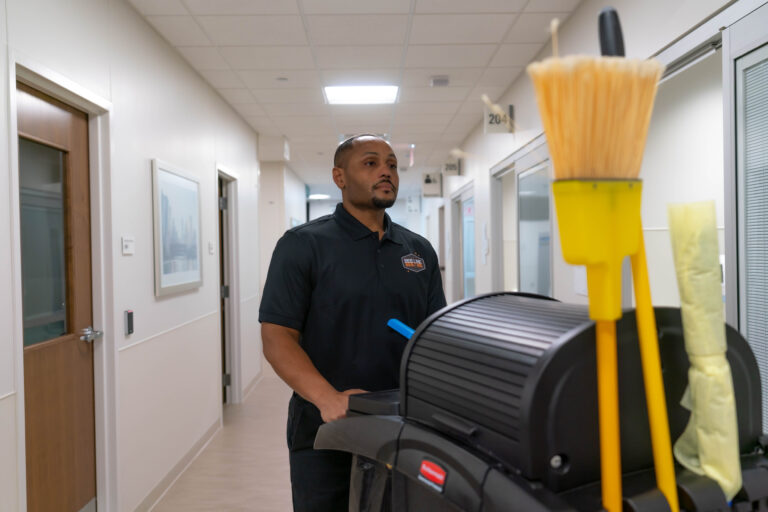
At Bee Line, medical-grade cleaning principles extend beyond healthcare environments. Our teams help organizations across a variety of industries implement cleaning programs that emphasize consistency, accountability, and proactive maintenance.
Whether supporting educational facilities, office environments, manufacturing operations, or distribution centers, Bee Line focuses on creating customized cleaning solutions that align with each facility’s unique needs.
Organizations interested in learning more about advanced cleaning practices can explore our Medical Cleaning Services and our guide on Medical Cleaning Standards: What Every Facility Manager Needs to Know for additional insights into the processes that support healthier environments.
By combining healthcare-inspired cleaning standards with practical facility solutions, Bee Line helps organizations create cleaner, safer, and more productive spaces.
For facilities evaluating their current cleaning program, our team can also help identify opportunities to strengthen existing procedures through customized Commercial Cleaning Services designed to support long-term success.
Frequently Asked Questions
What is medical-grade cleaning?
Medical-grade cleaning is a structured cleaning approach that emphasizes disinfection, consistency, accountability, and risk reduction. It originated in healthcare environments but is increasingly used in many other industries.
Is medical-grade cleaning only for hospitals?
No. Schools, office buildings, manufacturing facilities, distribution centers, and many other organizations are adopting medical-grade cleaning practices to improve facility health and safety.
Does medical-grade cleaning use different products?
In some cases, yes. However, the biggest difference is often the process itself, including how products are used, how frequently surfaces are cleaned, and how results are monitored.
Why are businesses adopting healthcare cleaning standards?
Organizations are looking for ways to reduce illness, improve workplace wellness, maintain cleaner facilities, and meet higher expectations from employees and visitors.
How can a facility transition to a medical-grade cleaning program?
The process typically begins with an assessment of current cleaning practices, identification of risk areas, implementation of improved procedures, and ongoing training to ensure consistency.
About The Author