For many schools, summer break offers something that is difficult to achieve during the academic year: uninterrupted access to the building.
While students and teachers enjoy a well-deserved break, facility managers and administrators have an important opportunity to prepare their campuses for the months ahead. Summer is often the best time to address cleaning, maintenance, and sanitation needs that are difficult to tackle when classrooms, hallways, and common areas are occupied.
A well-planned summer deep cleaning program helps schools start the new academic year with cleaner facilities, healthier learning environments, and fewer maintenance concerns. It also allows administrators to identify issues before students return, reducing the likelihood of disruptions during the school year.
Below are some of the most important areas schools should review as part of their summer cleaning strategy.
Start with a Comprehensive Facility Assessment
Before cleaning begins, schools should conduct a thorough walkthrough of the facility. Summer provides an ideal opportunity to evaluate the condition of classrooms, gymnasiums, cafeterias, administrative offices, restrooms, and shared spaces.
A facility assessment helps identify areas that require additional attention and allows administrators to prioritize projects based on need and available resources.
During the walkthrough, schools should evaluate:
- Areas with visible wear or damage
- Flooring that may require refinishing
- High-traffic spaces with heavy buildup
- Restrooms and locker rooms showing signs of deterioration
- HVAC and ventilation concerns
By taking inventory of facility needs early, schools can develop a more efficient summer cleaning plan and avoid last-minute surprises.
Deep Clean Classrooms and Learning Spaces
Classrooms experience nearly constant use throughout the school year. Desks, chairs, cabinets, technology, and shared learning materials accumulate dust, dirt, and germs over time.
While daily cleaning helps maintain appearance, summer allows schools to perform a much deeper level of cleaning that is often difficult to achieve during normal operations.
A classroom deep cleaning should include detailed cleaning of furniture, high-touch surfaces, storage areas, windowsills, and other frequently overlooked spaces. This is also an excellent time to remove accumulated dust and address any areas that may have been inaccessible during the school year.
Creating a clean classroom environment before students return helps support both health and learning outcomes.
Restore and Protect School Flooring
Flooring is one of the most heavily used assets in any educational facility. Hallways, classrooms, cafeterias, and entryways endure constant traffic throughout the year, resulting in wear that gradually affects both appearance and performance.
Summer provides the ideal window for floor maintenance because areas can remain closed long enough for cleaning products, finishes, and protective coatings to cure properly.
Depending on the flooring type, schools may consider:
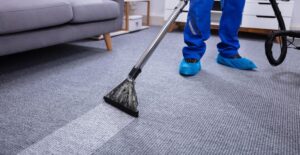
- Carpet extraction and stain removal
- Floor stripping and refinishing
- Tile and grout cleaning
- Floor recoating and burnishing
Investing in preventative floor care during the summer can help extend the lifespan of flooring materials while improving the overall appearance of the facility.
Focus on High-Touch Surfaces
One lesson many educational institutions have embraced in recent years is the importance of maintaining high-touch surfaces.
Students, teachers, staff, and visitors interact with countless surfaces throughout the day. Door handles, desks, light switches, railings, cafeteria tables, and shared equipment all experience repeated contact.
Summer is an ideal time to review cleaning protocols and ensure these surfaces are receiving appropriate attention.
Schools should evaluate:
- Current disinfecting procedures
- Cleaning product effectiveness
- Frequency of touchpoint cleaning
- Opportunities to improve consistency
When students return in the fall, strong cleaning procedures help create healthier learning environments and support overall campus wellness.
Do Not Overlook Gymnasiums and Athletic Facilities
Athletic facilities often require specialized attention during summer cleaning programs. Gymnasiums, locker rooms, fitness areas, and athletic training spaces experience heavy use throughout the school year and can develop unique sanitation challenges.
Moisture, shared equipment, and high traffic levels contribute to increased cleaning demands in these areas.
A summer deep cleaning should focus on:
- Locker room sanitation
- Gym floor maintenance
- Equipment cleaning and disinfecting
- Restroom cleaning
- Odor control measures
Schools that invest in athletic facility maintenance during the summer often find it easier to maintain cleanliness once sports programs resume.
Evaluate Air Quality and High Dusting Needs
Air quality plays an important role in creating healthy learning environments, yet elevated surfaces are often overlooked during routine cleaning schedules.
Dust can accumulate on vents, light fixtures, ceiling structures, and other hard-to-reach areas throughout the school year. Left unaddressed, this buildup may affect indoor air quality and contribute to an overall decline in facility cleanliness.
Summer offers the perfect opportunity to perform high dusting services and evaluate ventilation systems before students return.
These efforts help support cleaner classrooms and create a more comfortable environment for students and staff.
Refresh Restrooms and Common Areas
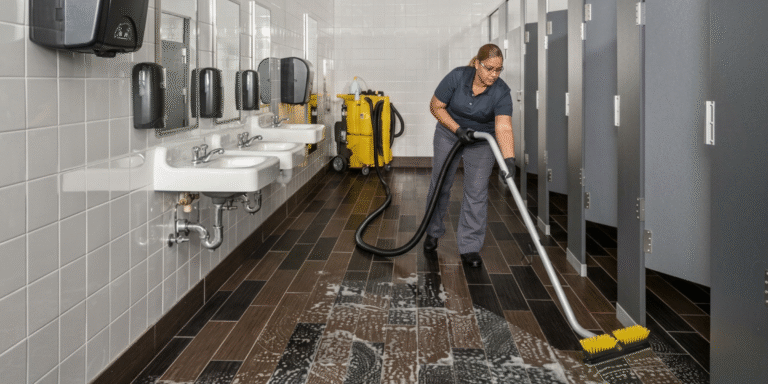
Restrooms are among the most frequently used spaces in any school. Because of their constant use, they often benefit significantly from deep cleaning during the summer months.
In addition to routine sanitation, schools should inspect fixtures, partitions, dispensers, and other restroom components for signs of wear or damage.
Common areas such as cafeterias, libraries, administrative offices, and student gathering spaces should also be included in summer cleaning plans. These spaces contribute significantly to the overall impression of the facility and should be prepared before the start of the new school year.
Review Cleaning Procedures Before Students Return
Summer cleaning is not only about the facility itself. It is also an excellent time to evaluate cleaning programs and procedures.
Administrators should review existing protocols and identify opportunities for improvement before students return. This may include updating cleaning schedules, adjusting staffing plans, evaluating vendors, or implementing new disinfecting procedures.
Questions worth considering include:
- Are cleaning responsibilities clearly defined?
- Are high-touch surfaces receiving adequate attention?
- Do current procedures align with facility needs?
- Are there opportunities to improve consistency?
Small improvements made during the summer can have a significant impact throughout the school year.
Why Summer Cleaning Supports Long-Term Facility Performance
Summer deep cleaning is often viewed as a seasonal task, but its benefits extend far beyond the summer months.
When schools proactively address cleaning and maintenance needs, they often experience fewer facility issues, improved appearance, and stronger overall cleanliness throughout the year. Preventative care also helps protect facility assets and reduce long-term maintenance costs.
Rather than simply preparing for the first day of school, summer cleaning helps create a foundation for a successful academic year.
How Bee Line Supports Educational Facilities
At Bee Line, we understand the unique challenges schools face when preparing for a new academic year. Our teams work with educational institutions to develop customized cleaning programs that support healthy learning environments and long-term facility performance.
From classroom deep cleaning and floor care to athletic facility maintenance and high-touch surface disinfection, Bee Line helps schools maximize the summer months and prepare for student success.
Schools interested in strengthening their cleaning programs can also explore our School Cleaning Services and read our guide on School Cleaning & Disinfection: How to Keep Students Safe Year-Round for additional insights.
If your facility is planning summer maintenance projects, contact Bee Line to discuss how our team can help prepare your campus for the upcoming school year.
Frequently Asked Questions
Why is summer the best time for school deep cleaning?
Summer provides uninterrupted access to classrooms, hallways, gymnasiums, and common areas, allowing schools to complete larger cleaning and maintenance projects without disrupting daily operations.
What areas should schools prioritize during summer cleaning?
Schools should focus on classrooms, flooring, restrooms, athletic facilities, high-touch surfaces, ventilation systems, and common areas that experience heavy use throughout the year.
How often should school floors be refinished?
The frequency depends on traffic levels and flooring type, but many schools evaluate floor refinishing needs annually during summer maintenance periods.
Why is high dusting important in schools?
High dusting removes accumulated debris from elevated surfaces such as vents, lighting fixtures, and ceiling structures, helping support indoor air quality and overall cleanliness.
What should schools review before students return?
Schools should review cleaning procedures, facility conditions, staffing plans, disinfecting protocols, and maintenance needs to ensure the campus is ready for the new academic year.
About The Author