Commercial flooring is one of the hardest-working assets in any facility. Every day, employees, customers, patients, students, and visitors walk across thousands of square feet of flooring without giving it much thought. Over time, however, that constant traffic begins to take a toll.
Many organizations wait until floors begin to look worn before taking action. Unfortunately, by the time visible damage appears, the underlying problem has often been developing for months or even years.
Delaying routine floor maintenance doesn’t just affect appearance. It can shorten the lifespan of flooring materials, increase maintenance costs, create safety hazards, and leave a poor impression on everyone who enters the building.
A proactive floor maintenance program helps businesses protect one of their largest facility investments while supporting a cleaner, safer, and more professional environment.
Floors Are One of Your Facility’s Largest Investments
Whether your building features carpet, vinyl composition tile (VCT), luxury vinyl tile (LVT), concrete, ceramic tile, or hardwood, flooring represents a significant financial investment.
Replacing commercial flooring is expensive. In addition to material costs, businesses must consider labor, downtime, disruptions to daily operations, and potential impacts on employees or customers.
Routine maintenance helps extend the life of flooring by protecting finishes, reducing wear, and addressing minor issues before they become major repairs.
Organizations that prioritize preventative floor care often spend less over the long term than those that delay maintenance until replacement becomes necessary.
Small Problems Become Expensive Repairs
Flooring rarely fails overnight.
Most damage develops gradually as dirt, grit, moisture, and heavy traffic wear away protective finishes. Once those finishes deteriorate, the flooring underneath becomes increasingly vulnerable.
For example, small scratches may seem insignificant at first. Over time, however, those scratches trap dirt, become more difficult to clean, and accelerate surface deterioration.
Similarly, moisture that isn’t addressed promptly can damage flooring materials, loosen adhesives, stain surfaces, or contribute to mold growth in certain environments.
Regular maintenance allows facility managers to identify these issues early, when they are far less expensive to correct.
Appearance Influences First Impressions
The condition of your floors says a great deal about your organization.
Visitors often notice cleanliness long before they notice décor or furnishings. Clean, well-maintained floors create an immediate impression of professionalism, attention to detail, and pride in the facility.
On the other hand, stained carpet, dull tile, worn finishes, or damaged flooring can leave visitors questioning how the rest of the building is maintained.
This is especially important for facilities such as:
- Healthcare organizations
- Schools and universities
- Corporate offices
- Retail locations
- Manufacturing facilities
- Multi-tenant commercial properties
A clean, polished floor helps reinforce confidence while contributing to a positive overall experience.
Worn Floors Can Create Safety Risks
Floor maintenance is not only about appearance. It also plays an important role in workplace safety.
As floor finishes wear down, surfaces may become more susceptible to slips, uneven wear, or moisture retention. Dirt and debris can accumulate in damaged areas, making routine cleaning less effective.
Facility managers should regularly inspect flooring for:
- Cracked or broken tile
- Loose transitions
- Worn protective coatings
- Uneven surfaces
- Moisture damage
Addressing these concerns early helps reduce potential hazards while supporting a safer environment for employees and visitors.
Dirt Is More Damaging Than Many Realize
One of the biggest threats to commercial flooring is also one of the most common: dirt.
Tiny particles of sand, dust, and debris act like sandpaper under foot traffic. Every step grinds these particles into the floor, gradually wearing away finishes and increasing surface damage.
This process happens slowly, making it easy to overlook until significant wear has already occurred.
Routine cleaning, entrance mat maintenance, and scheduled floor care all help reduce this abrasion and extend the life of flooring materials.
Preventative Maintenance Saves Money
Many businesses postpone floor maintenance in an effort to reduce expenses.
Ironically, delaying maintenance often leads to higher costs.
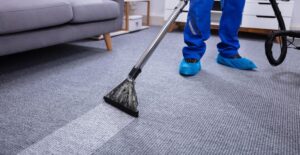
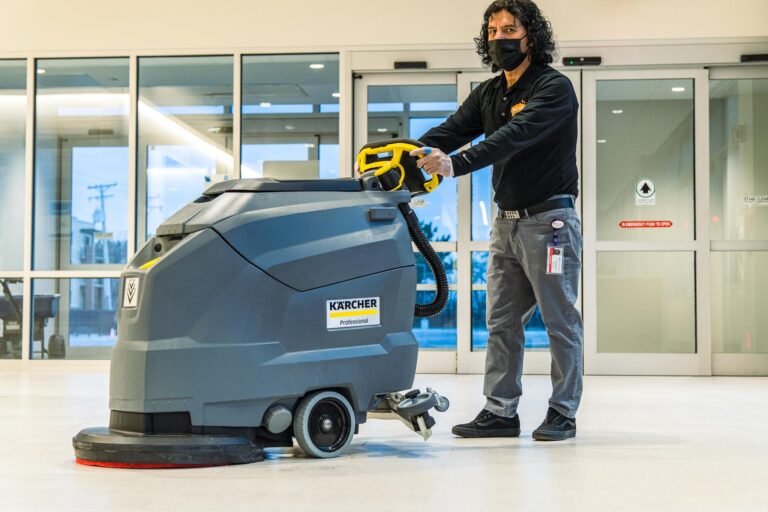
Preventative floor care typically includes services such as routine cleaning, burnishing, refinishing, carpet extraction, grout cleaning, and protective coating maintenance. These services help preserve flooring while reducing the likelihood of expensive repairs or premature replacement.
Investing in routine maintenance often results in:
- Longer flooring lifespan
- Lower replacement costs
- Improved appearance
- Easier daily cleaning
- Fewer emergency repairs
Rather than viewing floor maintenance as an expense, many facility managers recognize it as an investment in protecting the overall facility.
Every Facility Has Different Floor Care Needs
Not all commercial buildings experience the same level of wear.
A healthcare facility with continuous patient traffic requires a different maintenance schedule than a corporate office. Manufacturing facilities, schools, retail stores, and distribution centers all have unique flooring challenges based on occupancy, equipment, and operating hours.
An effective maintenance program begins with understanding how the building is used and tailoring services accordingly.
Factors that influence maintenance schedules include:
- Daily foot traffic
- Flooring material
- Weather conditions
- Industry requirements
- Cleaning frequency
- Building occupancy
Customized maintenance programs generally produce better long-term results than generic schedules.
Seasonal Changes Can Accelerate Floor Wear
Businesses in the Midwest understand how dramatically the seasons affect commercial flooring.
Winter introduces snow, salt, and moisture that can quickly damage floor finishes. Spring often brings mud, pollen, and additional debris, while summer increases foot traffic for many schools, healthcare facilities, and commercial properties.
Regular inspections during seasonal transitions help identify wear before it becomes more serious.
Organizations that perform seasonal facility reviews often experience fewer surprises and are better prepared for changing conditions.
Our Spring Facilities Risk Check provides additional guidance on identifying seasonal maintenance concerns before they impact your facility.
Build Floor Care Into Your Long-Term Maintenance Plan
The most successful facility maintenance programs do not treat floor care as an occasional project.
Instead, they incorporate regular inspections, scheduled maintenance, and long-term planning into the overall operation of the building.
Routine evaluations help facility managers determine when floors should be cleaned, refinished, repaired, or restored before problems become visible.
By planning ahead, organizations can better manage budgets, minimize disruptions, and maximize the lifespan of their flooring investments.
How Bee Line Helps Protect Commercial Flooring
At Bee Line, we understand that commercial flooring is one of the most valuable assets in any facility. Our customized Floor Care Services are designed to help businesses protect that investment through proactive maintenance, routine care, and long-term planning.
Whether your organization operates a healthcare facility, school, manufacturing plant, office building, or commercial property, Bee Line develops maintenance programs that align with your facility’s traffic patterns, flooring materials, and operational needs.
If you’re evaluating the condition of your facility, we also recommend reviewing our Spring Facilities Risk Check to identify seasonal maintenance concerns before they become costly repairs.
If your floors are beginning to show signs of wear, or you simply want to develop a more proactive maintenance strategy, contact Bee Line to schedule a facility assessment and learn how our team can help protect your investment.
Frequently Asked Questions
How often should commercial floors be professionally maintained?
Maintenance schedules depend on the flooring material, building type, and traffic levels. High-traffic facilities often require more frequent professional maintenance than lower-traffic environments.
Why is preventative floor maintenance important?
Routine maintenance helps extend the lifespan of flooring, improve appearance, reduce safety risks, and prevent costly repairs or premature replacement.
What are the signs that commercial floors need maintenance?
Common signs include dull finishes, scratches, stains, uneven wear, loose tiles, discoloration, and surfaces that are becoming difficult to clean.
Does professional floor maintenance save money?
Yes. Regular maintenance helps preserve flooring materials and often delays the need for costly repairs or replacement, resulting in lower long-term ownership costs.
What types of facilities benefit from commercial floor care?
Healthcare facilities, schools, offices, manufacturing plants, retail stores, warehouses, and virtually any commercial building with regular foot traffic benefit from a proactive floor maintenance program.
About The Author